The Function of Aluminum Foundries ahead of time Lightweight Production Solutions
Light weight aluminum foundries significantly add to the advancement of lightweight production options. Their innovative casting modern technologies produce high-strength, light-weight elements crucial for sectors such as vehicle and aerospace. This innovation not only boosts product efficiency but also advertises sustainability with the usage of recycled materials. As these shops adapt to emerging technologies and techniques, they lead the way for future growths in making effectiveness and environmental responsibility. What lies in advance in this transformative trip?
The Advantages of Lightweight Products in Manufacturing
As markets progressively look for efficiency and sustainability, the adoption of lightweight materials in production has actually become an essential approach - Aluminum Foundry. These materials, specifically light weight aluminum and compounds, offer countless benefits that enhance production processes and item performance. Largely, their reduced weight adds to lower power consumption during transportation and operation, causing significant price financial savings
Lightweight materials assist in the style of even more complicated geometries, allowing for greater technology in product development. This adaptability commonly leads to enhanced capability and efficiency, dealing with the advancing demands of contemporary consumers.
Additionally, the use of light-weight materials can enhance the long life of products because of their resistance to rust and tiredness. This resilience not just reduces upkeep costs but also sustains sustainability campaigns, as longer-lasting items contribute to much less waste. To sum up, the benefits of light-weight materials are crucial in driving efficiency, advancement, and environmental duty in manufacturing.
Advancements in Light Weight Aluminum Casting Technologies
Recent developments in light weight aluminum casting innovations are revolutionizing the production landscape, particularly in the production of light-weight elements. Innovations such as high-pressure die casting and vacuum pass away spreading have actually greatly improved the accuracy and surface area finish of aluminum components - Precision aluminum casting. These approaches enable the creation of complex geometries while reducing material waste and boosting mechanical buildings
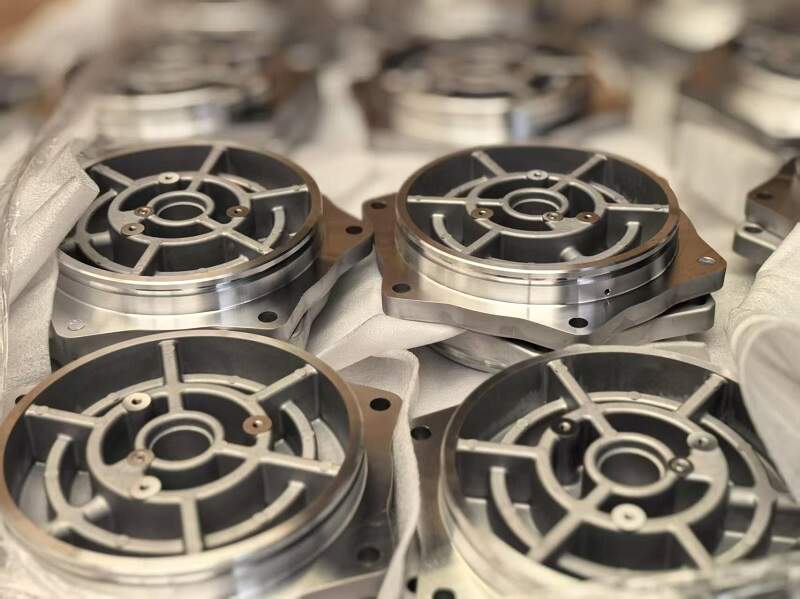
Additionally, the implementation of real-time monitoring systems ensures quality control throughout the casting process, bring about more constant item end results. Jointly, these innovations not just enhance the efficiency of aluminum components but also support the sector's change in the direction of even more lasting production practices.
Applications of Aluminum Components in Various Industries
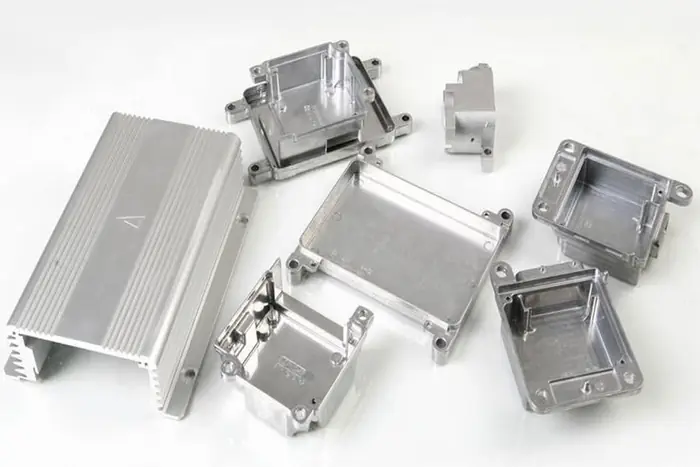
While light weight aluminum elements have actually long been used in numerous sectors, their convenience and lightweight properties continue to drive cutting-edge applications throughout industries such as automobile, aerospace, and building and construction. In the vehicle sector, light weight aluminum is progressively used for engine blocks, wheels, and body panels, enhancing fuel efficiency and performance. Aerospace producers take advantage of light weight aluminum for airplane structures and elements, taking advantage of its strength-to-weight proportion to boost fuel economic climate and payload capacity.
In the building and construction sector, light weight aluminum is preferred for window frames, roofing, and architectural aspects, offering toughness and resistance to rust while decreasing total structure weight. Furthermore, the electric and electronics markets profit from light weight aluminum's conductivity and light-weight nature, utilizing it in electrical wiring, enclosures, and warmth sinks. These diverse applications highlight the important duty of aluminum components, which not only meet sector demands however additionally contribute to developments in item design and capability throughout numerous areas.
Sustainability and Power Effectiveness in Aluminum Foundries
The aluminum shop industry plays a crucial role in advertising sustainability and energy efficiency, particularly as demand for lightweight parts remains to her response grow throughout various sectors. Shops are progressively taking on eco pleasant methods, such as utilizing recycled aluminum, which significantly minimizes energy consumption and greenhouse gas discharges compared to primary aluminum production.
Developments in casting modern technologies boost energy effectiveness by maximizing the melting processes and lowering waste. Methods like die spreading and financial investment casting permit exact product use, decreasing excess and scrap.
Furthermore, numerous foundries are investing in renewable resource resources to power procedures, further lowering their carbon impact. Applying power investigate this site administration systems enables factories to keep track of and enhance power use, ensuring they operate at peak performance.
Future Trends in Lightweight Production Solutions
How will emerging modern technologies form the future of lightweight manufacturing solutions? Developments such as sophisticated products, automation, and additive production are established to redefine manufacturing procedures. The assimilation of clever production innovations, including the Net of Things (IoT) and man-made knowledge (AI), will enable real-time tracking and optimization, boosting performance and reducing waste.
As sustainability remains to be a paramount worry, lightweight solutions will significantly concentrate on recycling and reusing materials, aligning with circular economic climate principles. This development in lightweight production will not just boost item performance however likewise add to environmental goals, guaranteeing that the industry stays affordable in a rapidly transforming market landscape.
Often Asked Questions
Exactly How Do Light Weight Aluminum Foundries Ensure High Quality Control in Manufacturing?
Light weight aluminum factories ensure quality control in production through rigorous testing, standardized procedures, and continual surveillance - Aluminum Casting Company. They execute advanced modern technologies and competent workers to preserve consistency, lower defects, and fulfill sector requirements throughout the manufacturing procedure
What Are the Key Challenges Faced by Light Weight Aluminum Foundries?
Aluminum foundries face obstacles such as varying basic material prices, maintaining manufacturing effectiveness, making certain consistent high quality, adapting to technological improvements, and conference environmental policies, every one of which effect their general functional effectiveness and competition on the market.
Just How Does Aluminum Recycling Influence Shop Procedures?
Light weight aluminum recycling substantially improves shop operations by decreasing basic material costs, minimizing energy usage, and reducing environmental influence. This lasting technique allows shops to boost effectiveness while satisfying raising need for light-weight, high-performance light weight aluminum look at this web-site items.
What Abilities Are Needed for Employees in Light Weight Aluminum Foundries?
Employees in aluminum shops require abilities in metallurgy, machining, high quality control, and safety and security methods. Effectiveness in operating machinery, recognizing alloy residential or commercial properties, and analytic are additionally important for efficient production and keeping high safety standards.
Just How Do Light Weight Aluminum Foundries Manage Waste Administration?
Light weight aluminum shops manage waste through recycling scrap metal, using efficient waste segregation methods, and adhering to environmental regulations. They apply lasting methods to decrease land fill payments, guaranteeing that hazardous materials are dealt with properly.
Aluminum shops significantly contribute to the evolution of lightweight manufacturing services. Current developments in light weight aluminum spreading technologies are revolutionizing the manufacturing landscape, especially in the production of light-weight components. While aluminum components have long been used in different sectors, their adaptability and lightweight buildings proceed to drive ingenious applications throughout industries such as vehicle, aerospace, and building and construction. Furthermore, the electrical and electronics sectors profit from aluminum's conductivity and light-weight nature, utilizing it in electrical wiring, units, and warmth sinks. The light weight aluminum foundry industry plays an important duty in advertising sustainability and energy effectiveness, especially as demand for light-weight components proceeds to expand throughout different markets.